Get Concrete Retaining Wall Installation
Concrete retaining wall installation services help property owners solve erosion, slope stability, and landscaping challenges by connecting them with local contractors experienced in various project types.
If you’re considering a concrete retaining wall for your property, you’re in the right place to explore your options. Installing a retaining wall can provide practical benefits such as improved soil stability, enhanced landscape organization, and increased privacy. Property owners in the area often look into this work to better manage uneven terrain, prevent erosion, or create defined outdoor spaces. Continuing to read can help you understand the factors involved and connect with experienced local contractors who specialize in this type of project.
Evaluating different local service providers is an important step in planning your retaining wall installation. Comparing the skills and experience of nearby contractors ensures you find professionals capable of handling your specific needs. Whether for a residential yard or a commercial property, many property owners find value in exploring their options to make informed decisions. Keep reading to learn more about the process and how to connect with trusted local experts ready to assist with your project.
- Residential Landscaping Projects - homeowners may need concrete retaining walls to manage yard slopes or create level outdoor spaces.
- Garden and Yard Enhancements - property owners might seek retaining walls to improve garden aesthetics or define planting areas.
- Erosion Control Solutions - sites prone to soil erosion can benefit from durable concrete walls to stabilize the terrain.
- Commercial Property Developments - businesses may require retaining walls for parking lots, loading zones, or outdoor seating areas.
- Foundation and Structural Support - construction projects often need retaining walls to provide stability for building foundations on uneven ground.
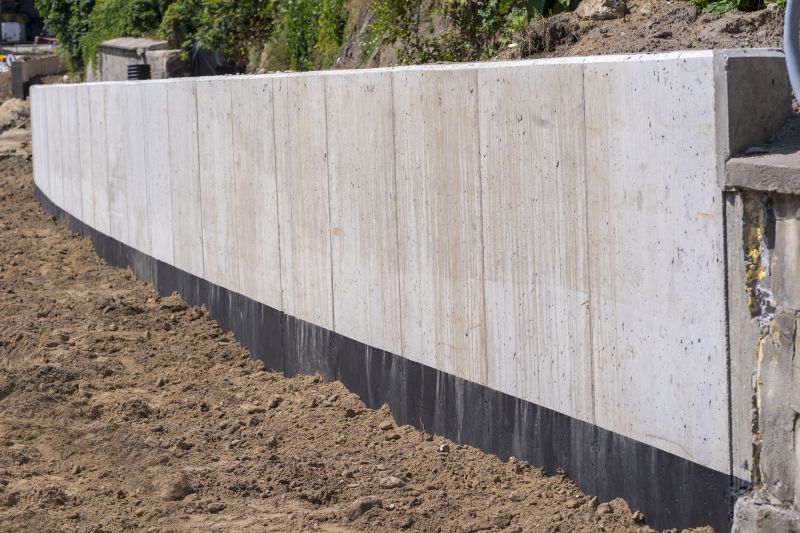
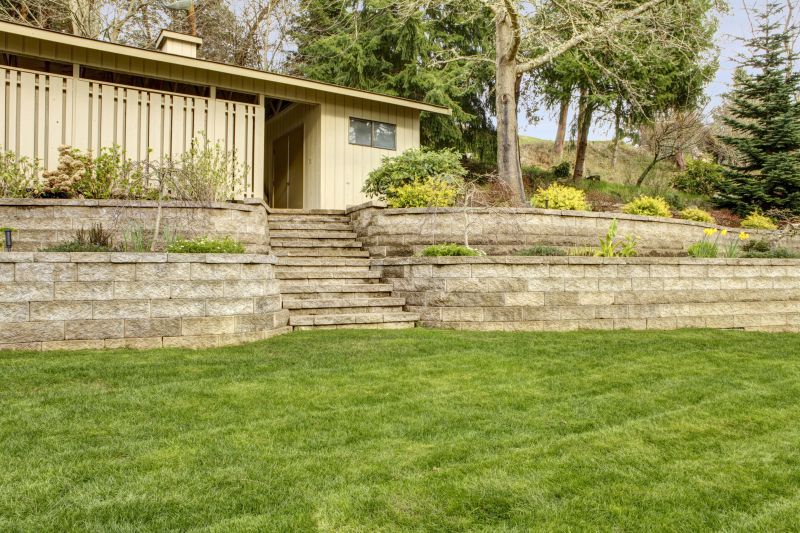
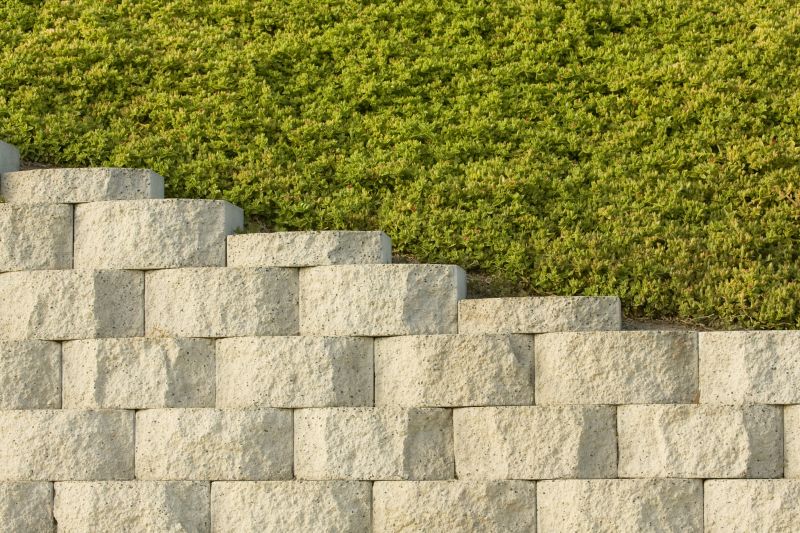
Concrete retaining wall installation involves constructing sturdy barriers designed to hold back soil and prevent erosion on residential or commercial properties. These walls are typically built using precast or poured-in-place concrete, offering durability and strength to withstand various environmental pressures. Skilled contractors assess the site, plan the appropriate design, and then install the walls with precision to ensure they serve their intended purpose effectively. Proper installation is essential to ensure the longevity and stability of the wall, helping property owners create functional and attractive outdoor spaces.
One common reason homeowners seek concrete retaining wall services is to address issues related to uneven terrain or slopes on their property. These walls can help create level areas for gardens, patios, or walkways, making outdoor spaces more usable and visually appealing. They also provide solutions for preventing soil erosion, especially on hilly or sloped land, which can cause damage to landscaping and structures over time. By installing a concrete retaining wall, property owners can protect their landscape investments and improve the overall safety of their outdoor environment.
Concrete retaining walls are suitable for a variety of property types, including residential yards, commercial landscapes, and public spaces. Homeowners with sloped yards often use them to create terraced gardens or flat areas for outdoor activities. Commercial property managers might install these walls to define boundaries or support landscaped areas around parking lots or building entrances. Public parks and community spaces also benefit from concrete retaining walls to manage elevation changes and provide safe, stable environments for visitors. These versatile structures can be tailored to fit different property needs and aesthetic preferences.
For those considering concrete retaining wall installation, connecting with local contractors who specialize in this service can ensure the project is handled professionally and efficiently. These service providers have experience working with various property types and terrain conditions, allowing them to recommend the best solutions for each situation. Whether addressing erosion concerns, creating level outdoor spaces, or enhancing landscape design, local pros can help find the right concrete retaining wall solution. Contacting experienced contractors is a practical step toward achieving a durable, functional, and attractive outdoor environment.
The overview below groups typical Concrete Retaining Wall Installation projects into broad ranges so you can see how smaller, mid-sized, and larger jobs often compare in your area.
In many markets, a large share of routine jobs stays in the lower and middle ranges, while only a smaller percentage of projects moves into the highest bands when the work is more complex or site conditions are harder than average.
Smaller Repairs - Typical costs for minor concrete retaining wall repairs range from $250 to $600. Many routine fixes fall within this range, depending on the extent of damage and materials needed.
Mid-Size Installations - Installing a standard concrete retaining wall usually costs between $3,000 and $8,000. Most projects in this category are straightforward and tend to stay within this range.
Large or Complex Projects - Larger, more complex retaining wall installations can reach $10,000 to $20,000 or more. Fewer projects fall into this highest tier, often involving challenging terrain or custom designs.
Full Replacement - Replacing an existing retaining wall with a new concrete structure typically costs between $8,000 and $15,000. Many full replacements fall within this range, though costs can vary based on size and site conditions.
Actual totals will depend on details like access to the work area, the scope of the project, and the materials selected, so use these as general starting points rather than exact figures.
Landscape Gardening Projects - Installing features like terraces and garden walls often requires similar skills in site planning, excavation, and working with durable materials as concrete retaining wall installation.
Foundation Repair Services - Foundation stabilization and repair projects involve expertise in soil analysis, excavation, and concrete work, aligning closely with retaining wall construction techniques.
Driveway and Patio Paving - Creating durable paved surfaces involves precise planning, excavation, and concrete or stonework, which are skills applicable to building retaining walls.
Erosion Control Projects - Implementing solutions to prevent soil erosion often requires constructing barriers and walls using similar tools and planning methods as retaining wall installation.
Stepped Wall Construction - Building tiered or stepped walls for landscape design involves similar structural planning and concrete work as standard retaining wall projects.
Drainage System Installation - Installing effective drainage solutions involves excavation, grading, and concrete components, paralleling the skills used in retaining wall setup.
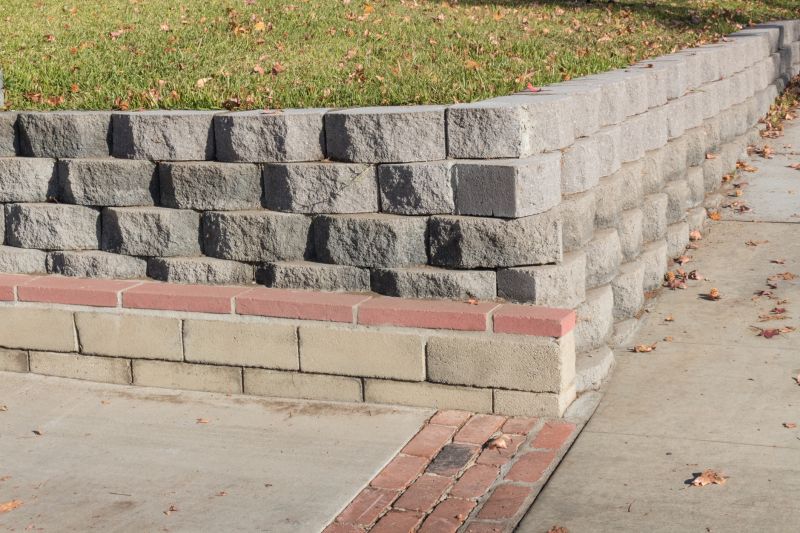
When comparing local contractors for concrete retaining wall installation, it’s important to consider their experience with projects similar to what’s needed for your property. Homeowners should look for service providers who have a proven track record of successfully completing retaining wall projects that match the scope and complexity of their own. Asking for examples or references related to similar installations can provide insight into a contractor’s familiarity with the specific challenges and techniques involved, helping to ensure the work will meet expectations.
Clear, written expectations are essential when evaluating potential service providers. Homeowners should seek detailed proposals that outline the scope of work, materials to be used, and any relevant project specifications. Having this information in writing helps prevent misunderstandings and provides a basis for comparison between different contractors. It’s also helpful to inquire about how the contractor plans to handle unforeseen issues or changes during the project, ensuring there is transparency and clarity throughout the process.
Effective communication and reputable references are key indicators of a dependable local contractor. Homeowners should prioritize providers who are responsive, willing to answer questions, and able to explain their approach in understandable terms. Additionally, checking references or reviews from previous clients can offer valuable insights into the contractor’s reliability, professionalism, and quality of work. Remember, the goal is to connect with service providers who are transparent and communicative, making the process of installing a concrete retaining wall as smooth and predictable as possible.
Property owners use Concrete Retaining Wall Installation services for practical projects around their homes and businesses. This guide focuses on everyday jobs and straightforward project options.
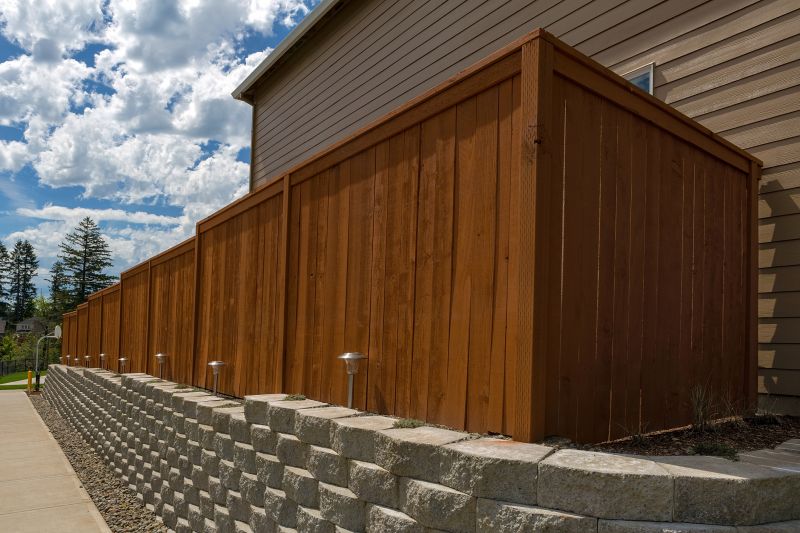
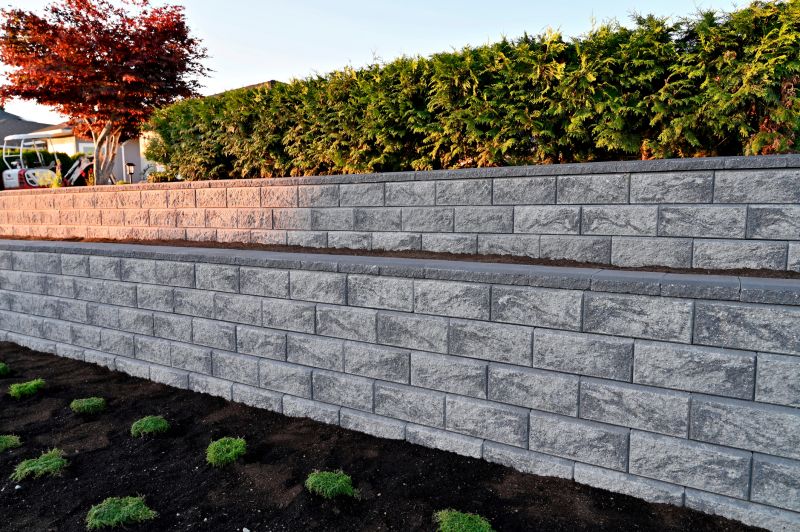
Concrete retaining wall installation is often needed when property owners want to prevent soil erosion or manage changes in landscape levels. Whether creating a level area for a backyard patio, supporting a garden bed, or stabilizing a hillside, local contractors can provide solutions that enhance both functionality and appearance. These projects are common for those looking to improve outdoor spaces, prevent damage from shifting soil, or add structural support to their property.
Homeowners may seek concrete retaining wall services to improve safety around their property or to increase usable space. For example, elevating a garden or terrace can make outdoor areas more accessible and visually appealing. Local service providers are equipped to handle these projects, offering expertise in constructing durable walls that stand up to the local climate and terrain.
What are concrete retaining walls used for? Concrete retaining walls are used to hold back soil, prevent erosion, and create level areas in outdoor spaces such as gardens, patios, or landscaping projects.
How do contractors ensure the stability of a concrete retaining wall? Contractors assess the site, design appropriate reinforcement, and use proper drainage techniques to ensure the stability and longevity of the wall.
What factors influence the choice of concrete retaining wall design? Factors include the height of the wall, soil type, load requirements, and aesthetic preferences, which help determine the most suitable design and construction methods.
Can concrete retaining walls be built in different styles? Yes, concrete retaining walls can be customized with various finishes, textures, and colors to match different landscape designs and personal preferences.
What should be considered when selecting a contractor for concrete retaining wall installation? It’s important to evaluate local contractors’ experience, reputation, and ability to handle the specific requirements of your project to ensure quality results.
Garden Terracing - Property owners can use retaining walls to create level areas on sloped land for planting or outdoor living spaces.
Erosion Control - Installing concrete retaining walls helps prevent soil erosion around foundations, gardens, or driveways.
Landscape Borders - Retaining walls can define garden beds or lawn areas, adding structure and visual appeal to outdoor spaces.
Privacy and Wind Barriers - Concrete walls can serve as sturdy barriers to increase privacy or block wind in outdoor seating areas.
If you are thinking about Concrete Retaining Wall Installation for a property, this guide is meant to help you understand the work, the typical project types, and how different options might fit your plans.
When you are ready, you can use the quote form on this page to share a few details about your project. From there, local pros can review the basics and respond with options that match what you have in mind.