Safety Features to Include in Concrete Walks and Steps
People seeking concrete walks and steps installation often want safety features to prevent slips and falls, and local service providers can install these essential safety enhancements effectively.
Ensuring safety in outdoor walkways and steps is a crucial consideration for property owners looking to improve both the functionality and security of their spaces. Incorporating the right safety features into concrete walks and steps can help prevent accidents, especially in areas prone to moisture or uneven terrain. Whether it’s for a residential property, a commercial space, or an outdoor communal area, understanding practical safety enhancements can make a significant difference. Local contractors specializing in concrete installation are well-equipped to recommend and incorporate these safety features, helping to create durable, slip-resistant, and accessible surfaces that stand the test of time.
Property owners in the area often seek guidance on how to make their outdoor pathways safer for everyone, including children, seniors, and visitors. Features such as textured finishes, proper lighting, and gentle slopes can enhance safety and accessibility. These considerations are essential for maintaining a secure environment and reducing liability. Service providers experienced in concrete walks and steps can assist in selecting and installing these safety features seamlessly, ensuring that the finished project meets practical safety needs while complementing the property's aesthetic. Keep reading to explore the key safety features to include in concrete walks and steps that local experts can help bring to life.
- Concrete walks installation is essential when designing surfaces that minimize slip hazards in high-traffic or outdoor areas, with local contractors incorporating textured finishes and proper drainage. Steps installation services are often needed for residences or commercial properties aiming to improve safety on uneven or steep stairways, with local pros adding handrails and slip-resistant surfaces. Homeowners planning for elderly or disabled accessibility frequently seek concrete steps with safety features, and local service providers can include tactile surfaces and secure handrails during installation. When constructing new walkways or improving existing ones, local contractors focus on integrating safety features like contrasting color strips and gentle slopes to prevent trips and falls. Professionals ensure that safety considerations are prioritized to meet the specific needs of each property while installing concrete walks and steps.
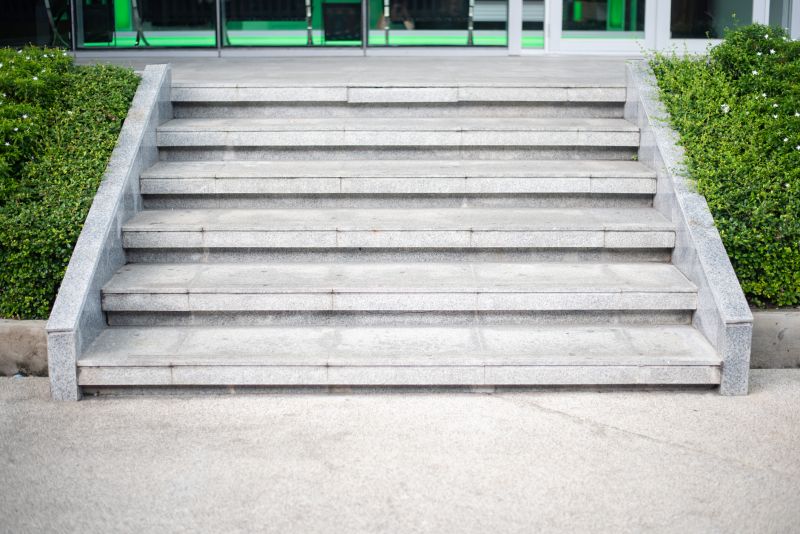


When homeowners search for safety features to include in concrete walks and steps, they often focus on preventing accidents and ensuring accessibility. These searches typically relate to projects aimed at improving outdoor safety around homes, especially in areas where slips and falls are common. People might be planning to upgrade existing concrete pathways or install new ones to accommodate family members with mobility challenges or to create a safer environment for children and elderly residents. The goal is to reduce the risk of injuries caused by uneven surfaces, slick areas, or obstacles that could cause trips, making safety features a top priority in many residential improvement plans.
The kinds of problems that safety features address often involve uneven surfaces, poor lighting, and inadequate grip, which can lead to slips, trips, and falls. For properties with aging or deteriorating concrete, cracks and rough patches increase the danger of tripping hazards. Additionally, outdoor steps that lack proper handrails or non-slip surfaces can become hazardous, especially during wet or icy conditions. Homeowners may also be considering features that enhance visibility at night, such as integrated lighting or reflective surfaces, to improve safety during evening hours. These concerns are common across a variety of property types, including single-family homes, multi-unit residences, and commercial properties with outdoor walkways.
Properties that come up frequently in these discussions include residential yards, apartment complexes, and small commercial establishments. In residential settings, safety features are often integrated into front porches, garden pathways, and backyard patios. For multi-unit properties, durable and slip-resistant surfaces are essential to accommodate higher foot traffic and to meet safety standards. Commercial properties, such as storefronts or outdoor dining areas, often require more extensive safety features like textured finishes, proper lighting, and sturdy handrails to ensure public safety. In each case, local contractors who specialize in concrete installation and repair can help evaluate the specific needs of a property and recommend safety features that will best serve the space and its users.
Incorporating safety features into concrete walks and steps involves practical considerations that local service providers are well-equipped to handle. These professionals can install textured or stamped concrete surfaces that provide better traction, especially in wet conditions. They also can embed non-slip coatings, add handrails where necessary, and incorporate lighting solutions that improve visibility at night. Proper drainage and slope design are additional safety measures that prevent water accumulation and ice formation, reducing slip risks. By working with experienced local contractors, homeowners can ensure that safety features are integrated seamlessly into their concrete projects, creating outdoor spaces that prioritize safety without compromising appearance or durability.
Sidewalk Repair Projects - these projects require careful planning of safety features to prevent accidents, similar to those needed in concrete walks and steps installation.
Outdoor Staircase Construction - installing safety features such as slip-resistant surfaces and proper lighting is essential, paralleling safety considerations for concrete steps.
Patio and Porch Renovations - incorporating safety features to enhance accessibility and prevent falls aligns with safety features to include in concrete walkways and steps.
Driveway Paving Services - these projects involve planning for slip resistance and durability, similar to safety features in concrete walk and step installations.
Landscape Pathway Installations - designing safe, accessible pathways involves similar safety planning and material choices as concrete walks and steps.
Garage Floor Coating Projects - applying slip-resistant coatings and safety measures relates directly to safety features in concrete walkways and steps.
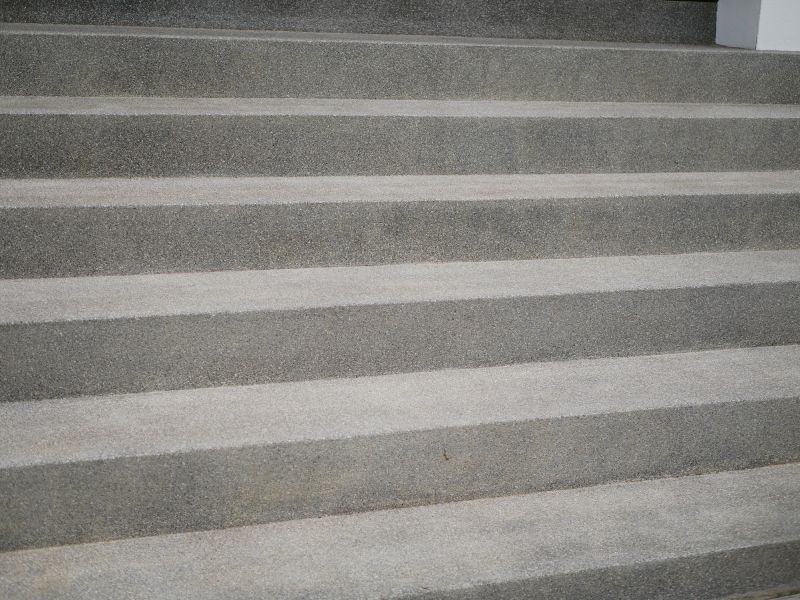
When evaluating local contractors for installing concrete walks and steps, it is important to consider their experience with similar projects, particularly those involving safety features. A contractor’s background in handling concrete installations that prioritize safety-such as incorporating slip-resistant surfaces, proper drainage, and secure handrails-can be a good indicator of their ability to meet safety needs effectively. Homeowners should inquire about the types of projects the contractor has completed in the past and whether they have experience implementing specific safety features that enhance accessibility and reduce hazards on walks and steps.
Clear written expectations are essential when selecting a service provider for concrete installation. Homeowners should seek detailed proposals that outline the scope of work, including the safety features to be incorporated, the materials to be used, and the construction standards to be followed. Having this information in writing helps ensure that both parties share a common understanding of the project goals and safety considerations. It also provides a reference point for evaluating the contractor’s professionalism and attention to detail, which are important factors in achieving a safe and durable result.
Reputable references and good communication are key elements in choosing a reliable local contractor. Pros with positive references from previous clients often demonstrate a track record of delivering quality work that meets safety expectations. Additionally, contractors who communicate clearly and promptly can help clarify safety requirements and answer questions about the installation process. Open lines of communication facilitate a smoother project, ensuring that safety features are properly planned, discussed, and integrated into the concrete walks and steps. This collaborative approach helps homeowners feel confident that their safety concerns are understood and addressed throughout the project.
Property owners often search for safety features to include in concrete walks and steps when they are planning practical projects around their homes and businesses. Local pros provide Concrete Walks and Steps Installation services for everyday jobs and straightforward project options.
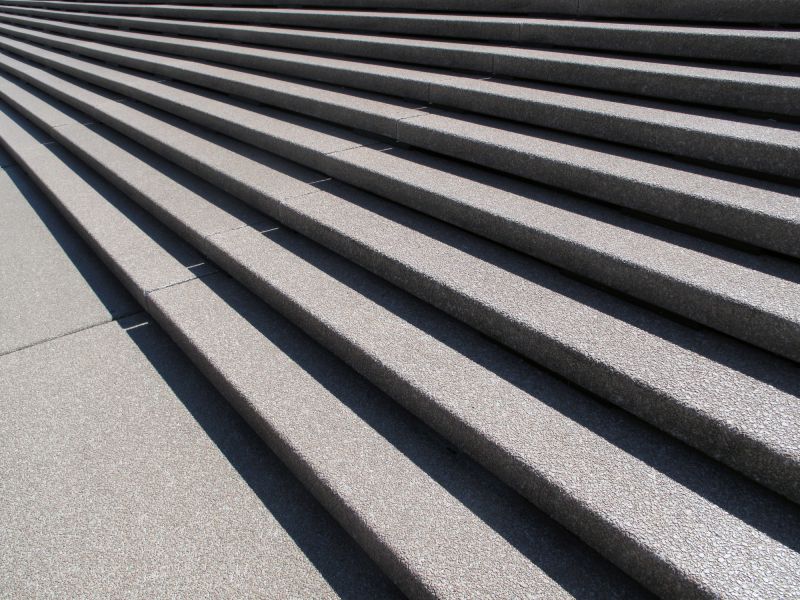
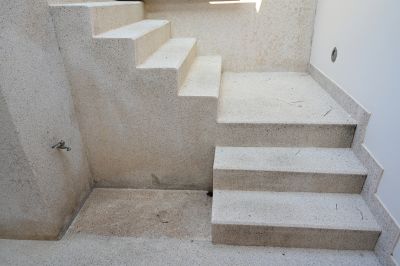
In many residential projects around the area, property owners are increasingly interested in incorporating safety features into concrete walks and steps to prevent accidents and ensure accessibility. Features such as textured or broom-finished surfaces can provide better traction, especially during wet or icy conditions, reducing the risk of slips and falls. Additionally, proper lighting and strategic placement of handrails contribute to safer navigation around walkways and stairs, making outdoor spaces more secure for everyone, including children and elderly residents.
Local contractors who specialize in concrete walks and steps can help property owners select and install these safety features effectively. They understand the importance of proper design and material choices that enhance safety without compromising aesthetics. Whether it’s adding non-slip finishes, installing handrails, or ensuring even, level surfaces, these service providers can handle the job with attention to detail, helping to create outdoor spaces that are both functional and safe for everyday use.
What safety features should be included in concrete walks and steps? Features such as slip-resistant surfaces, proper lighting, and handrails can enhance safety. Local contractors can incorporate these elements during installation to reduce fall risks.
How can slip resistance be added to concrete walks and steps? Slip-resistant finishes or textured surfaces are common options. Experienced service providers can apply these treatments to improve traction, especially in wet conditions.
Are handrails necessary for concrete steps? Handrails are recommended for added stability and support, particularly on stairs with multiple risers. Local pros can install handrails that meet safety standards and suit the site’s needs.
What lighting considerations improve safety for concrete walkways and steps? Adequate lighting along pathways and stairs helps prevent accidents during low-light conditions. Many local contractors can incorporate lighting solutions into the design.
Can local service providers help ensure the safety of concrete steps over time? Yes, they can recommend maintenance practices and inspect for cracks or uneven surfaces that might pose hazards, helping to maintain safety over the lifespan of the concrete.
Non-slip surfaces - Incorporating textured finishes or slip-resistant coatings can help prevent falls on concrete walks and steps during wet or icy conditions, with local contractors able to apply these safety features effectively.
Adequate lighting considerations - Installing proper lighting around walkways and stairs enhances visibility at night, and local service providers can recommend suitable fixtures to improve safety.
Proper edge and step design - Ensuring edges are rounded or beveled and steps have consistent riser heights can reduce tripping hazards, with local pros capable of designing and installing these features.
Handrails and guardrails - Adding sturdy handrails along steps and walkways provides support and stability, and local contractors can install safety features that meet practical needs.
If you are thinking about safety features to include in concrete walks and steps for a property, this guide is meant to help you understand this topic, the typical project types, and how different options might fit your plans.
When you are ready, you can use the quote form on this page to share a few details about your project. From there, local pros can review the basics and follow up with options that match what you have in mind.